Roofing Leads UK: How to Get Work Without Paying Per Lead
WebScaling Team · October 07, 2026 · 10 min read
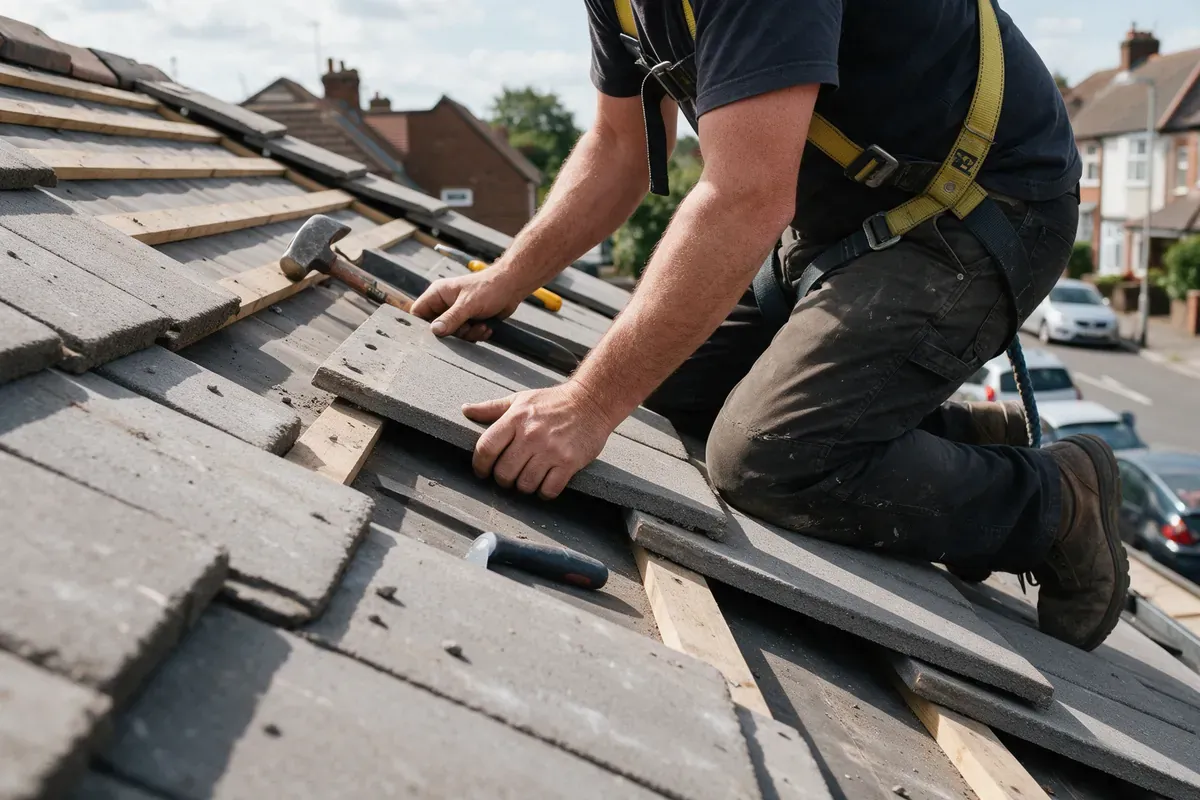
Quick answer: UK roofers get leads without paying per lead by building channels they own: a complete Google Business Profile, a page for each roofing service and town, a text back to every missed call, steady Google reviews and seasonal messages to past customers (gutters, moss removal, pre-winter roof checks). Letting agents and local Facebook groups add repeat work. Paid lead sites cost you every time.
Search "roofing leads" and nearly every result is someone selling them. That's fine if you want to buy, but it leaves out the roofer's side of the question: how do you get the phone ringing with work that's yours alone? This guide covers the free and owned channels first, then takes an honest look at what pay-per-lead actually costs, using prices lead sellers publish themselves.
Where roofing leads come from
Roughly, every roofing enquiry arrives from one of two places:
Leads you rent. Lead sellers, directories and marketplaces. You pay per lead, per shortlist or per month, and the enquiry is often sent to other roofers too.
Leads you own. Your Google Business Profile, your website, your phone number, your reviews and your past customers. You build these once, and they keep bringing work without a fee per enquiry.
Most roofing firms use both. The aim is to shift the balance, so that a quiet month on a lead site isn't a quiet month for the business.
9 ways to get roofing leads without paying per lead
1. Make your Google Business Profile do the heavy lifting
When a homeowner has a slipped tile or a leak coming through the bedroom ceiling, they search "roofer near me" on their phone. The Google Maps results at the top are driven by Business Profiles. Google says creating one is free, and you can set a service area even if you work from home with no shopfront (Google Business Profile).
Google also says local results are mainly based on relevance, distance and prominence, that more reviews and positive ratings can help your local ranking, and that there's no way to pay for a better one (Google Business Profile Help). For a roofer, that means:
Choose "Roofing contractor" (or the closest match) as your primary category.
List every service: pitched roof repairs, flat roofs, re-roofs, chimney repairs, leadwork, fascias and soffits, guttering, emergency repairs.
Set the towns and postcodes you actually cover.
Upload real before-and-after photos regularly, not stock images.
Reply to every review, good or bad.
For the full checklist, read how to rank higher on Google Maps.
2. Build town and service pages on your own website
One "Services" page that lists everything is hard for Google to match to specific searches. Create a page for each job you want more of: "flat roof repair", "EPDM rubber roofing", "chimney repairs", "roof replacement", "emergency roof repair". Then add pages for the main towns you cover, with genuinely local content: the areas and estates you work in, typical house types and real jobs you've done there.
Example: Dave's Roofing, based in Swindon, might have a "Flat roof repairs in Swindon" page with photos of a garage roof replaced in Old Town, a short explanation of felt versus EPDM, how quotes work and a tap-to-call button. Every page should have the phone number, a short quote form (name, phone, postcode, what's wrong, optional photo) and your reviews.
3. Get storm-ready before autumn
Autumn and winter storms bring a rush of urgent calls, and homeowners ring whoever answers first. Prepare before the first big blow, not during it:
Have an "emergency roof repair" page live, explaining temporary repairs and how fast you can get out.
Post a storm update on your Google Business Profile when bad weather is forecast.
Set up your missed-call text and quote-form reply in advance (see the next point), because you'll be on roofs all day.
Write a short message to send past customers in affected postcodes after a storm: "If you've lost tiles or have a leak, reply to this text and we'll get you on the list."
Decide how you'll prioritise: active leaks and dangerous damage first, inspections after.
4. Text back every missed call
You can't take a call halfway up a ladder. Many callers won't leave a voicemail; they just ring the next roofer. Missed call text back sends an automatic text from your business number within seconds, for example: "Sorry we missed you, it's Dave's Roofing. We're on a roof right now. What's the problem and what's your postcode?" The customer replies, often with a photo, and you pick it up at your next break. Read how missed call text back works.
5. Collect Google reviews after every job
Reviews matter twice for roofers. Homeowners are nervous about rogue traders, and Google lists reviews among the factors that help local ranking. Ask every customer straight after the job, while they're pleased with the new roof. A text with a direct link to your review page works far better than "leave us a review sometime". Send a reminder if they forget.
6. Run past-customer campaigns around the seasons
Your past customers already trust you. Seasonal reminders give you a natural reason to get in touch with those who've said they're happy to hear from you:
When | Campaign idea (example) |
|---|---|
September-October | Pre-winter roof check: slipped tiles, flashing, pointing and valleys checked before the storms. |
October-November | Gutter clearing once the leaves have dropped. |
After a named storm | "Lost any tiles?" text to past customers in the affected area. |
Spring | Moss removal and roof cleaning; inspection after winter damage. |
Summer | Flat roof replacements and re-roofs while the weather's settled. |
Keep the messages short, useful and occasional, and always make it easy to opt out.
7. Be useful in local Facebook groups
Most towns have community and "recommend a tradesperson" groups. Join the ones in your area as yourself, not as an advert. Answer roofing questions with genuinely helpful replies, post the occasional before-and-after (with the customer's permission), and follow each group's rules on business posts. When someone asks "can anyone recommend a roofer?", past customers tagging you is worth more than any ad.
8. Build relationships with letting agents, property managers and insurers
Repeat work from one contact can beat dozens of one-off leads. Ideas:
Letting agents and landlords: they need someone reliable for leaks, gutters and safety checks across many properties. Offer clear callout terms and photo reports after each job.
Block and property managers: flats and estates need planned maintenance and quick fixes. Ask how they add contractors to their approved list.
Insurers and loss adjusters: storm claims need roofers who send clear photos and reports. Ask about their contractor networks and what insurance and accreditations they require.
Other trades: builders, scaffolders, plumbers and electricians often get asked for a roofer. Refer work both ways.
Take a one-page sheet with your services, areas, insurance and accreditations you genuinely hold, and how to reach you.
9. Make the most of free listings
Free roofing leads don't really exist as a product, but free channels do: your Google Business Profile, free directory listings, your website, word of mouth, Facebook groups and your past customers. Keep your business name, phone number and address identical across all of them.
An honest look at pay-per-lead roofing leads
Buying leads isn't wrong. It can fill gaps quickly, especially when you're starting out. Here's what some sellers publish themselves (checked October 2026):
Seller / platform | What they publish | Shared or exclusive? |
|---|---|---|
Roofing leads from £20 per lead; booked appointments from £130 | Says every roofing lead it sells is exclusive | |
Most roofing leads between £10 and £35 | Mostly shared, usually with no more than 3 roofers | |
£1.80 per credit (standard rate); credits per lead depend on service and job size | Up to 5 professionals can respond to each customer (Bark) | |
A shortlist fee per lead, based on the job's likely size, value and location. Check current pricing | Check current terms |
Three things to weigh up:
Shared leads mean a race. If the same homeowner hears from several roofers, the one who replies first and quotes clearly often wins. That's hard when you're on a roof all day.
Cost per lead isn't cost per job. Example with made-up numbers: at £30 a lead, winning 1 in 4 means each job cost you £120 in leads. Winning 1 in 8 means £240. Track your own win rate.
Nothing builds up. When you stop paying, the leads stop. Reviews and pages on your own site and Google profile keep working.
Directories are another option with their own pricing models: Checkatrade, for example, publishes Growth plans from £59/month on 12-month memberships. We compare the main ones in Checkatrade alternatives. And if you relied on Rated People, read what its closure means for you.
A simple roofing lead generation plan
This week: complete your Google Business Profile (category, services, areas, 10 real photos) and reply to every review.
Next week: turn on a missed-call text and an instant reply to quote forms.
This month: get a page live for each main roofing service and your two or three biggest towns, plus an emergency repairs page.
Every job: ask for a Google review the same day.
Every season: send one useful message to past customers: roof checks, gutters or moss removal.
Every month: note where each job came from and what it cost, then keep what works.
How WebScaling can help
WebScaling is a web agency for small businesses in Morocco and around the world. We start with your website and the 5-service pack: a website that turns visitors into calls and messages, your Google Business Profile and reviews, SEO, visibility in AI answers (GEO) and a client dashboard. When your business is ready, we add premium services such as Google & Meta Ads, AI agents, automations and dashboards.
Book a free call: you get a clear plan and a fixed quote, with no hidden fees.
FAQ
How do roofers get leads in the UK?
Most use a mix: a Google Business Profile, their own website, word of mouth and reviews, past customers, and sometimes a directory or lead seller. The owned channels take longer to build but don't charge you for each enquiry.
Are there free roofing leads?
Not as something you can buy, but free channels exist. A Google Business Profile is free, as are free directory listings, local Facebook groups, referrals from other trades and messages to your past customers.
How much do roofing leads cost in the UK?
It depends on the seller. At the time of writing (October 2026), Lead Pronto publishes exclusive roofing leads from £20, leads.work says most of its roofing leads cost £10-£35 and are usually shared with up to 3 roofers, and Bark charges £1.80 per credit, with credits per lead depending on the job.
Are exclusive roofing leads worth it?
They can be, because you're not racing other roofers to the same homeowner. But they usually cost more than shared leads. Judge any lead source on cost per job you actually win, not the price per lead.
When do roofers get the most enquiries?
Urgent repair calls tend to rise with autumn and winter storms, while bigger planned jobs like re-roofs and flat roof replacements often happen when the weather's settled. Get your website, Google profile and missed-call text ready before storm season.
Should a roofer join Checkatrade or another directory?
It can make sense, especially if you're new and your diary is quiet. Check the contract length, the price for your postcode and how many other roofers see each job. Run it alongside your own website and Google profile so your work doesn't depend on one platform.

WebScaling is a web agency for small businesses in Morocco and around the world: websites, Google Business Profile and reviews, SEO and AI visibility, then ads, AI agents, automations and custom software.